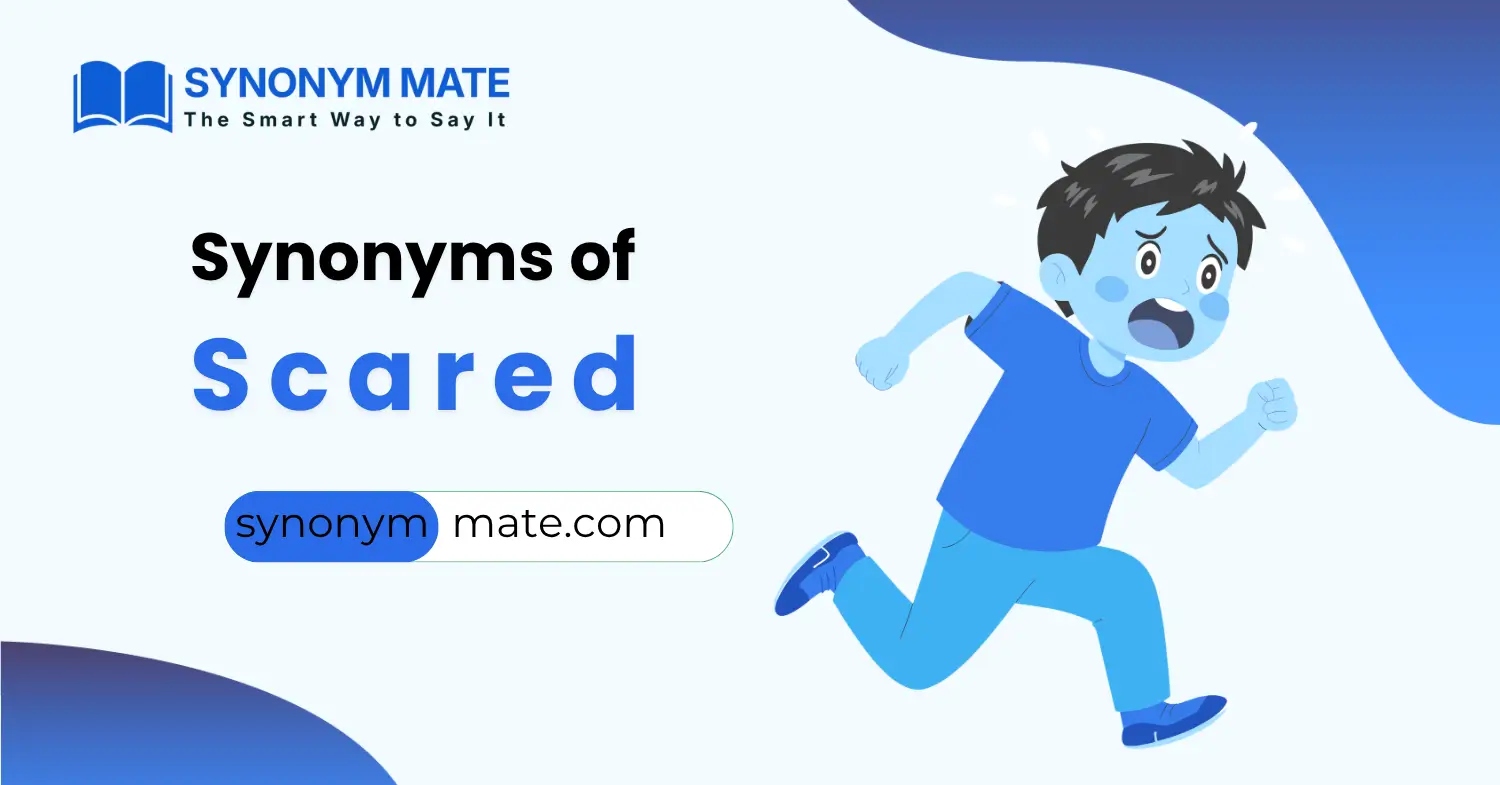

Synonyms of scared appear in real life when you feel nervous before an exam or hear a loud noise at night. These small moments show how common fear is in daily life.
Synonyms of scared help you describe emotions more clearly. For example, instead of saying “I am scared,” you can say “I am nervous” or “I am terrified.”
Learning synonyms of scared improves your vocabulary. It helps students, bloggers, and writers express feelings in a more natural and powerful way.
In simple words, synonyms of scared are words that describe fear in different levels and situations. Let’s explore them step by step.
📚 CORE MEANING SECTION
What Does “synonyms of scared” Really Mean?
The phrase “synonyms of scared” refers to words that have a similar meaning to “scared,” which means feeling fear or worry.
“Scared” is an adjective. It describes an emotional state when someone feels afraid or unsafe.
Native speakers use “scared” in daily conversation. It is simple, common, and easy to understand.
🧠 Connotative Meaning
(Connotation = the emotional meaning associated with a word.)
- Positive tone: Sometimes mild fear can mean excitement
- Negative tone: Fear, anxiety, danger 😟
- Neutral tone: Used in everyday emotional description
📖 Etymology
The word “scared” comes from the Old Norse word “skirra,” meaning to frighten.
- Old English (450–1100): Fear-related words existed like “afraid”
- Middle English (1100–1500): “Scaren” appeared meaning to frighten
- Modern English (1500–Present): “Scared” became common
🔊 Pronunciation
- US: /skɛrd/
- UK: /skeəd/
🔤 Syllables
- scared
🧩 Affixation Pattern
- Root: scare
- Prefix: none
- Suffix: -ed
📖 SYNONYMS LIST
Afraid (adjective) — US /əˈfreɪd/ | UK /əˈfreɪd/
Meaning: Feeling fear or worry.
Examples:
- I am afraid of heights.
- She felt afraid at night.
Frightened (adjective) — US /ˈfraɪtənd/ | UK /ˈfraɪtənd/
Meaning: Suddenly feeling fear.
Examples:
- The noise frightened me.
- He looked frightened.
Terrified (adjective) — US /ˈterɪfaɪd/ | UK /ˈterɪfaɪd/
Meaning: Extremely scared.
Examples:
- She was terrified of the storm.
- He felt terrified in the dark.
Nervous (adjective) — US /ˈnɝːvəs/ | UK /ˈnɜːvəs/
Meaning: Slightly scared or worried.
Examples:
- I feel nervous before exams.
- She was nervous to speak.
Anxious (adjective) — US /ˈæŋkʃəs/ | UK /ˈæŋkʃəs/
Meaning: Worried or uneasy.
Examples:
- He felt anxious about results.
- She looked anxious.
Alarmed (adjective) — US /əˈlɑːrmd/ | UK /əˈlɑːmd/
Meaning: Suddenly worried or scared.
Examples:
- She was alarmed by the sound.
- He looked alarmed.
Panicked (adjective) — US /ˈpænɪkt/ | UK /ˈpænɪkt/
Meaning: Losing control due to fear.
Examples:
- He panicked during the test.
- She felt panicked.
Startled (adjective) — US /ˈstɑːrtld/ | UK /ˈstɑːtld/
Meaning: Suddenly shocked or scared.
Examples:
- I was startled by the noise.
- She jumped, startled.
Fearful (adjective) — US /ˈfɪrfəl/ | UK /ˈfɪəfəl/
Meaning: Full of fear.
Examples:
- He felt fearful.
- She had a fearful look.
Timid (adjective) — US /ˈtɪmɪd/ | UK /ˈtɪmɪd/
Meaning: Easily scared or shy.
Examples:
- He is timid.
- She speaks timidly.
Shaken (adjective) — US /ˈʃeɪkən/ | UK /ˈʃeɪkən/
Meaning: Emotionally disturbed by fear.
Examples:
- She felt shaken after the accident.
- He looked shaken.
Horrified (adjective) — US /ˈhɔːrɪfaɪd/ | UK /ˈhɒrɪfaɪd/
Meaning: Shocked and scared deeply.
Examples:
- She was horrified by the news.
- He felt horrified.
Petrified (adjective) — US /ˈpetrɪfaɪd/ | UK /ˈpetrɪfaɪd/
Meaning: So scared that you cannot move.
Examples:
- I was petrified.
- She stood petrified.
Spooked (adjective) — US /spuːkt/ | UK /spuːkt/
Meaning: Slightly scared, often suddenly.
Examples:
- The sound spooked me.
- He felt spooked.
Jumpy (adjective) — US /ˈdʒʌmpi/ | UK /ˈdʒʌmpi/
Meaning: Easily scared or nervous.
Examples:
- He is jumpy today.
- She feels jumpy.
Uneasy (adjective) — US /ʌnˈiːzi/ | UK /ʌnˈiːzi/
Meaning: Slightly worried or uncomfortable.
Examples:
- I feel uneasy here.
- She looked uneasy.
Worried (adjective) — US /ˈwɝːid/ | UK /ˈwʌrid/
Meaning: Thinking about something bad.
Examples:
- I am worried about him.
- She feels worried.
Distressed (adjective) — US /dɪˈstrɛst/ | UK /dɪˈstrest/
Meaning: Very upset and scared.
Examples:
- She was distressed.
- He felt distressed.
Agitated (adjective) — US /ˈædʒɪteɪtɪd/ | UK /ˈædʒɪteɪtɪd/
Meaning: Nervous and restless.
Examples:
- He looked agitated.
- She felt agitated.
Uneasy (adjective) — /ʌnˈiːzi/ | /ʌnˈiːzi/
Meaning: Feeling slightly worried or uncomfortable without a clear reason.
Examples:
- I felt uneasy walking alone at night.
- She gave an uneasy smile before speaking.
Insecure (adjective) — /ˌɪnsɪˈkjʊr/ | /ˌɪnsɪˈkjʊə/
Meaning: Lacking confidence and feeling uncertain or unsafe.
Examples:
- He felt insecure about his performance.
- The child became insecure in a new school.
Apprehensive (adjective) — /ˌæprɪˈhɛnsɪv/ | /ˌæprɪˈhensɪv/
Meaning: Feeling anxious or worried about something that may happen.
Examples:
- She was apprehensive before the interview.
- I feel apprehensive about the results.
Fearful (adjective) — /ˈfɪrfəl/ | /ˈfɪəfʊl/
Meaning: Full of fear or feeling afraid.
Examples:
- The child looked fearful in the dark.
- He gave a fearful glance behind him.
Intimidated (adjective) — /ɪnˈtɪmɪdeɪtɪd/ | /ɪnˈtɪmɪdeɪtɪd/
Meaning: Feeling scared because of someone’s power or presence.
Examples:
- She felt intimidated by the strict teacher.
- He was intimidated during the interview.
Overwhelmed (adjective) — /ˌoʊvərˈwɛlmd/ | /ˌəʊvəˈwelmd/
Meaning: Feeling unable to handle strong emotions, including fear.
Examples:
- I felt overwhelmed before the big event.
- She looked overwhelmed by the situation.
Edgy (adjective) — /ˈɛdʒi/ | /ˈedʒi/
Meaning: Nervous, tense, and easily irritated.
Examples:
- He’s been edgy all day.
- I feel edgy before exams.
Tense (adjective) — /tɛns/ | /tens/
Meaning: Physically or mentally tight due to stress or fear.
Examples:
- The room felt tense before the announcement.
- She was tense during the conversation.
Jittery (adjective) — /ˈdʒɪtəri/ | /ˈdʒɪtəri/
Meaning: Nervous and shaky due to fear or anxiety.
Examples:
- I feel jittery before public speaking.
- He became jittery after hearing the news.
Shaken (adjective) — /ˈʃeɪkən/ | /ˈʃeɪkən/
Meaning: Emotionally disturbed or upset due to fear.
Examples:
- She was shaken after the accident.
- He looked shaken by the experience.
Panicky (adjective) — /ˈpænɪki/ | /ˈpænɪki/
Meaning: Feeling sudden fear and losing control.
Examples:
- I felt panicky in the crowded room.
- He sounded panicky on the phone.
Petrified (adjective) — /ˈpɛtrɪfaɪd/ | /ˈpetrɪfaɪd/
Meaning: Extremely scared, almost unable to move.
Examples:
- She was petrified of spiders.
- He stood petrified in fear.
Horrified (adjective) — /ˈhɔːrəfaɪd/ | /ˈhɒrɪfaɪd/
Meaning: Deeply shocked and scared by something terrible.
Examples:
- I was horrified by the news.
- She looked horrified at the scene.
Alarmed (adjective) — /əˈlɑːrmd/ | /əˈlɑːmd/
Meaning: Suddenly worried or frightened by danger.
Examples:
- He was alarmed by the noise.
- She looked alarmed at the warning.
Startled (adjective) — /ˈstɑːrtəld/ | /ˈstɑːtld/
Meaning: Suddenly surprised and slightly scared.
Examples:
- I was startled by the loud bang.
- She looked startled when I called her name.
Nervy (adjective) — /ˈnɜːrvi/ | /ˈnɜːvi/
Meaning: Slightly nervous or anxious.
Examples:
- I feel nervy before presentations.
- He seemed nervy during the match.
Disturbed (adjective) — /dɪˈstɜːrbd/ | /dɪˈstɜːbd/
Meaning: Emotionally upset or troubled, often with fear.
Examples:
- She was disturbed by the incident.
- He felt disturbed after watching the film.
Frantic (adjective) — /ˈfræntɪk/ | /ˈfræntɪk/
Meaning: Wild with fear or anxiety, unable to stay calm.
Examples:
- She became frantic when she lost her phone.
- He made frantic calls for help.
Frazzled (adjective) — /ˈfræzəld/ | /ˈfræzəld/
Meaning: Extremely stressed or nervous, often from fear or pressure.
Examples:
- I feel frazzled after a busy day.
- She looked frazzled before the exam.
Spooked (adjective) — /spuːkt/ | /spuːkt/
Meaning: Suddenly scared, often by something unexpected.
Examples:
- The noise spooked the dog.
- I felt spooked walking alone at night.
Terrified (adjective) — /ˈtɛrəfaɪd/ | /ˈterɪfaɪd/
Meaning: Extremely afraid; very intense fear.
Examples:
- She was terrified of heights.
- He felt terrified during the storm.
Afraid (adjective) — /əˈfreɪd/ | /əˈfreɪd/
Meaning: Feeling fear or worry about something.
Examples:
- I am afraid of snakes.
- She felt afraid in the dark.
Frightened (adjective) — /ˈfraɪtənd/ | /ˈfraɪtənd/
Meaning: Feeling fear due to something threatening.
Examples:
- The child was frightened by thunder.
- He looked frightened during the movie.
🔍 SYNONYMS BY TONE
- Mild fear: nervous, uneasy, worried
- Strong fear: terrified, petrified, horrified
- Neutral: afraid, fearful
- Informal: jumpy, spooked
Tone matters because it shows how strong the feeling is.
⚖️ MINI COMPARISON
Scared vs Afraid vs Terrified
- Scared: general and common
- Afraid: slightly formal
- Terrified: very strong fear
Use based on intensity.
🧠 CONTEXT-BASED USAGE
- Daily: “I am scared”
- Writing: “She felt terrified”
- Professional: “He seemed anxious”
- Creative: “The character was petrified”
⚠️ COMMON MISTAKES
- Using “terrified” for small fear ❌
- Mixing “nervous” and “scared”
- Overusing “scared”
🧩 REAL-LIFE SCENARIOS
- Work: Nervous before meeting
- Social: Afraid of speaking
- Media: Horror movie = terrified
✅ CONCLUSION
Learning synonyms of scared helps you express emotions more clearly. It gives you more control over your words.
These words improve your speaking and writing skills. You can describe feelings with better accuracy.
Using the right synonym makes your communication more natural and powerful.
Start practicing today. Use these words in daily conversations and writing to build confidence.
📝 EXERCISE
- You feel nervous before an exam, but not extremely afraid. Which word fits best?
a) Terrified
b) Uneasy
c) Horrified
d) Panic-stricken
- You see a snake suddenly and feel extreme fear. Which word is correct?
a) Calm
b) Relaxed
c) Terrified
d) Comfortable
- You feel slightly worried about a future event. Which word should you use?
a) Apprehensive
b) Confident
c) Joyful
d) Proud
- A child is scared of the dark and hides behind a parent. Which word fits best?
a) Brave
b) Timid
c) Strong
d) Bold
- You feel nervous and shaky before speaking on stage. Which word is most suitable?
a) Jittery
b) Relaxed
c) Happy
d) Excited
- Someone feels scared because of a powerful person. Which word is correct?
a) Inspired
b) Intimidated
c) Amused
d) Curious
- You feel sudden fear because of a loud noise. Which word works best?
a) Startled
b) Peaceful
c) Calm
d) Pleased
- A person feels overwhelmed and cannot handle stress or fear. Which word fits?
a) Overwhelmed
b) Energetic
c) Relaxed
d) Confident
- You feel slightly nervous and tense all day. Which word is best?
a) Edgy
b) Proud
c) Happy
d) Excited
- Someone is deeply shocked and scared by bad news. Which word is correct?
a) Delighted
b) Horrified
c) Calm
d) Relaxed
✍️ Reflection Task
Write 2–3 sentences about a real-life situation where you felt scared.
Use at least one synonym of “scared” from this article (e.g., nervous, terrified, uneasy, jittery).
✅ Answer Key
1-b | 2-c | 3-a | 4-b | 5-a | 6-b | 7-a | 8-a | 9-a | 10-b