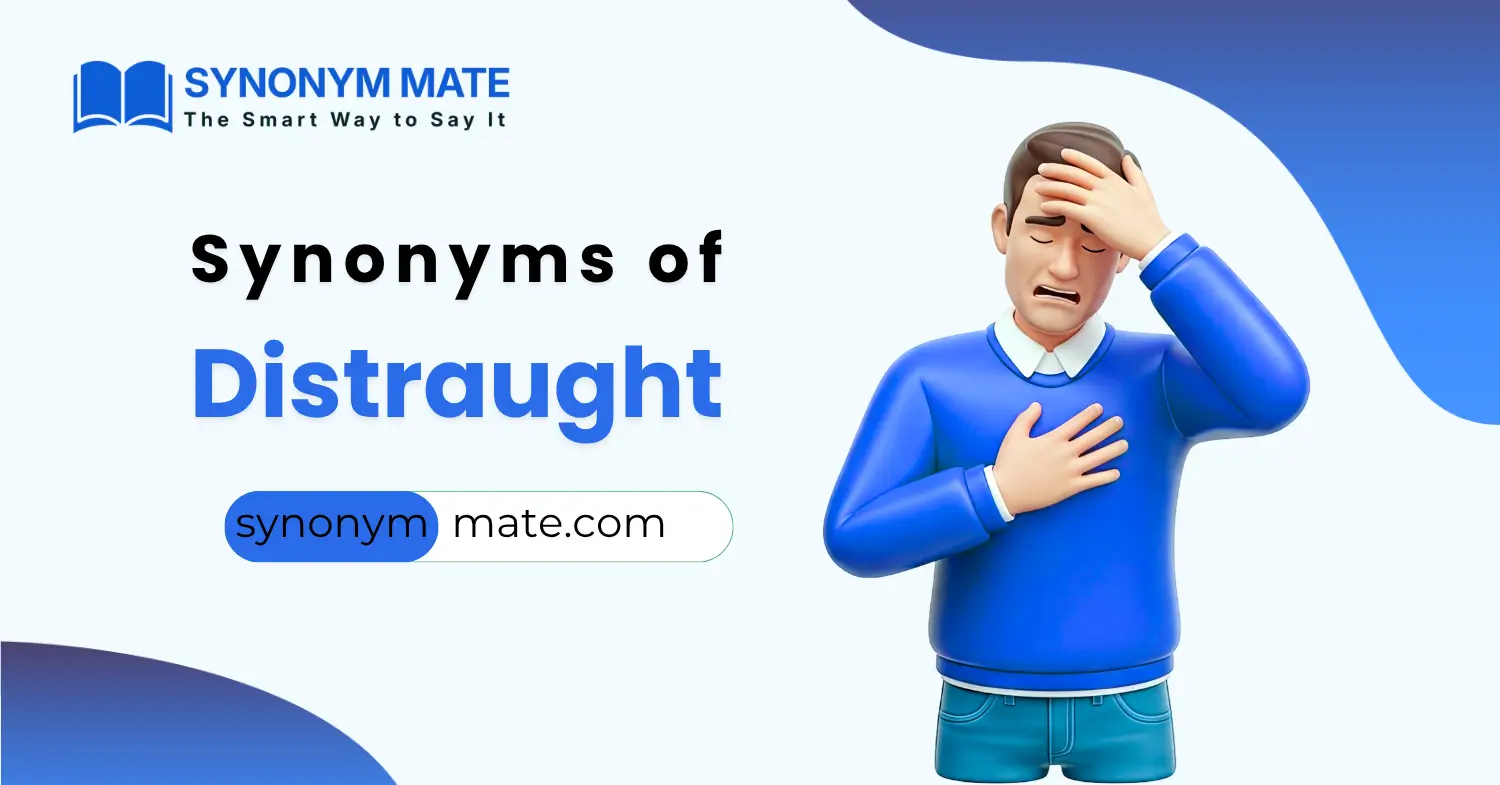

Synonyms of distraught often come to mind when someone feels overwhelmed with emotion. Imagine a student who just failed an exam and cannot think clearly. That feeling is “distraught.”
In daily life, we all face moments where emotions take control. Using the right words helps express these feelings better. That’s where synonyms of distraught become useful.
For example, instead of saying “I was distraught,” you might say “I was devastated.” This makes your speech more vivid. Learning synonyms of distraught improves clarity and expression.
Students, bloggers, and writers benefit the most. Even in daily English, knowing synonyms of distraught helps you speak naturally and confidently.
📚 What Does “Distraught” Really Mean?
“Distraught” is an adjective. It describes a person who is extremely upset, worried, or emotionally disturbed.
Native speakers use it when emotions are intense. It often appears in situations like loss, stress, or shock.
Simple meaning:
Distraught means feeling very upset and unable to think clearly.
🧠 Connotative Meaning
(Connotation means the emotional feeling connected to a word.)
- Positive tone: Rare, but may show deep care or sensitivity
- Negative tone: Strongly negative, linked to stress or sadness
- Neutral tone: Sometimes neutral in storytelling
📖 Etymology
The word “distraught” comes from Middle English. It is related to the verb “distract.”
- Old English (450–1100): No direct form, but similar roots in Latin
- Middle English (1100–1500): “Distraughten” meant confused or disturbed
- Modern English (1500–Present): Became “distraught,” meaning emotionally upset
🔊 Pronunciation
- US: /dɪˈstrɔt/
- UK: /dɪˈstrɔːt/
🔤 Syllables
dis-traught
🧩 Affixation Pattern
- Root: distract
- Prefix: dis- (apart)
- Suffix: none
📖 SYNONYMS LIST
Upset (Adjective) — US /ʌpˈsɛt/ | UK /ʌpˈsɛt/
Meaning: Feeling unhappy or disturbed.
Examples:
- She was upset after the argument.
- He felt upset about the news.
Distressed (Adjective) — US /dɪˈstrɛst/ | UK /dɪˈstrɛst/
Meaning: Feeling extreme worry or pain.
Examples:
- She looked distressed at the hospital.
- He sounded distressed on the phone.
Devastated (Adjective) — US /ˈdɛvəˌsteɪtɪd/ | UK /ˈdɛvəsteɪtɪd/
Meaning: Completely emotionally broken.
Examples:
- She was devastated after the loss.
- He felt devastated by the results.
Heartbroken (Adjective) — US /ˈhɑrtˌbroʊkən/ | UK /ˈhɑːtˌbrəʊkən/
Meaning: Deeply sad, especially due to loss.
Examples:
- She was heartbroken after the breakup.
- He felt heartbroken by the news.
Agitated (Adjective) — US /ˈædʒɪˌteɪtɪd/ | UK /ˈædʒɪteɪtɪd/
Meaning: Feeling nervous or disturbed.
Examples:
- He looked agitated before the exam.
- She became agitated during the talk.
Anxious (Adjective) — US /ˈæŋkʃəs/ | UK /ˈæŋkʃəs/
Meaning: Feeling worried or uneasy.
Examples:
- She felt anxious about her results.
- He looked anxious before the interview.
Troubled (Adjective) — US /ˈtrʌbəld/ | UK /ˈtrʌbəld/
Meaning: Feeling emotional or worried.
Examples:
- He had a troubled mind.
- She looked troubled all day.
Overwhelmed (Adjective) — US /ˌoʊvərˈwɛlmd/ | UK /ˌəʊvəˈwɛlmd/
Meaning: Feeling too many emotions at once.
Examples:
- She felt overwhelmed with stress.
- He was overwhelmed by the situation.
Shattered (Adjective) — US /ˈʃætərd/ | UK /ˈʃætəd/
Meaning: Completely emotionally broken.
Examples:
- She felt shattered after the news.
- He looked shattered after the loss.
Panicked (Adjective) — US /ˈpænɪkt/ | UK /ˈpænɪkt/
Meaning: Suddenly filled with fear.
Examples:
- She panicked during the test.
- He felt panicked in the crowd.
Frantic (Adjective) — US /ˈfræntɪk/ | UK /ˈfræntɪk/
Meaning: Wildly anxious or out of control.
Examples:
- She made frantic calls.
- He looked frantic in the moment.
Miserable (Adjective) — US /ˈmɪzərəbəl/ | UK /ˈmɪzərəbəl/
Meaning: Very unhappy.
Examples:
- She felt miserable all day.
- He looked miserable after the loss.
Tormented (Adjective) — US /ˈtɔrˌmɛntɪd/ | UK /ˈtɔːmentɪd/
Meaning: Deeply troubled or suffering.
Examples:
- He felt tormented by guilt.
- She seemed tormented by stress.
Distracted (Adjective) — US /dɪˈstræktɪd/ | UK /dɪˈstræktɪd/
Meaning: Unable to focus due to emotions.
Examples:
- She was distracted in class.
- He seemed distracted at work.
Confused (Adjective) — US /kənˈfjuzd/ | UK /kənˈfjuːzd/
Meaning: Unable to think clearly.
Examples:
- She felt confused after the news.
- He looked confused and lost.
Shocked (Adjective) — US /ʃɑkt/ | UK /ʃɒkt/
Meaning: Deeply surprised or disturbed.
Examples:
- She was shocked by the result.
- He looked shocked at the scene.
Disturbed (Adjective) — US /dɪˈstɜrbd/ | UK /dɪˈstɜːbd/
Meaning: Emotionally troubled.
Examples:
- He felt disturbed by the story.
- She looked disturbed all evening.
Desperate (Adjective) — US /ˈdɛspərət/ | UK /ˈdɛspərət/
Meaning: Feeling hopeless and upset.
Examples:
- She felt desperate for help.
- He sounded desperate on the phone.
Disheartened (Adjective) — US /dɪsˈhɑrtənd/ | UK /dɪsˈhɑːtənd/
Meaning: Losing hope or confidence.
Examples:
- She felt disheartened after failure.
- He looked disheartened at work.
Anguished (Adjective) — US /ˈæŋɡwɪʃt/ | UK /ˈæŋɡwɪʃt/
Meaning: Feeling extreme emotional pain or suffering.
Examples:
- She gave an anguished cry.
- He looked anguished after the loss.
Grief-stricken (Adjective) — US /ˈɡriːf ˌstrɪkən/ | UK /ˈɡriːf ˌstrɪkən/
Meaning: Deeply affected by sorrow, especially after loss.
Examples:
- She was grief-stricken after her pet died.
- He looked grief-stricken at the funeral.
Sorrowful (Adjective) — US /ˈsɑroʊfəl/ | UK /ˈsɒrəʊfəl/
Meaning: Feeling or showing deep sadness.
Examples:
- She gave a sorrowful smile.
- He felt sorrowful after the goodbye.
Uneasy (Adjective) — US /ʌnˈiːzi/ | UK /ʌnˈiːzi/
Meaning: Feeling worried or uncomfortable.
Examples:
- She felt uneasy in the silence.
- He looked uneasy during the meeting.
Stressed (Adjective) — US /strɛst/ | UK /strɛst/
Meaning: Feeling mental pressure or tension.
Examples:
- She felt stressed about deadlines.
- He looked stressed at work.
Tense (Adjective) — US /tɛns/ | UK /tɛns/
Meaning: Feeling nervous or tight with worry.
Examples:
- She felt tense before speaking.
- He looked tense during the test.
Nervous (Adjective) — US /ˈnɜrvəs/ | UK /ˈnɜːvəs/
Meaning: Feeling worried or afraid.
Examples:
- She felt nervous before the exam.
- He looked nervous on stage.
Shaken (Adjective) — US /ˈʃeɪkən/ | UK /ˈʃeɪkən/
Meaning: Emotionally disturbed after a shock.
Examples:
- She felt shaken after the accident.
- He looked shaken by the news.
Crushed (Adjective) — US /krʌʃt/ | UK /krʌʃt/
Meaning: Extremely disappointed or upset.
Examples:
- She felt crushed after rejection.
- He looked crushed by failure.
Despairing (Adjective) — US /dɪˈspɛrɪŋ/ | UK /dɪˈspeərɪŋ/
Meaning: Feeling complete loss of hope.
Examples:
- She felt despairing about her future.
- He sounded despairing on the call.
Upset-minded (Adjective) — US /ʌpˈsɛt ˈmaɪndɪd/ | UK /ʌpˈsɛt ˈmaɪndɪd/
Meaning: Having a disturbed or troubled mind.
Examples:
- She felt upset-minded after the argument.
- He seemed upset-minded all day.
Worried (Adjective) — US /ˈwɜrid/ | UK /ˈwʌrid/
Meaning: Feeling concern or anxiety.
Examples:
- She felt worried about her family.
- He looked worried during the storm.
Alarmed (Adjective) — US /əˈlɑrmd/ | UK /əˈlɑːmd/
Meaning: Suddenly afraid or concerned.
Examples:
- She felt alarmed by the noise.
- He looked alarmed at the news.
Frazzled (Adjective) — US /ˈfræzəld/ | UK /ˈfræzəld/
Meaning: Extremely tired and stressed.
Examples:
- She felt frazzled after work.
- He looked frazzled by the chaos.
Broken (Adjective) — US /ˈbroʊkən/ | UK /ˈbrəʊkən/
Meaning: Emotionally hurt or damaged.
Examples:
- She felt broken after the breakup.
- He looked broken inside.
Melancholic (Adjective) — US /ˌmɛlənˈkɑlɪk/ | UK /ˌmɛlənˈkɒlɪk/
Meaning: Feeling deep, quiet sadness.
Examples:
- She had a melancholic mood.
- He felt melancholic that evening.
Heavy-hearted (Adjective) — US /ˌhɛvi ˈhɑrtɪd/ | UK /ˌhɛvi ˈhɑːtɪd/
Meaning: Feeling sad and weighed down emotionally.
Examples:
- She left with a heavy-hearted feeling.
- He felt heavy-hearted after goodbye.
Troubled-minded (Adjective) — US /ˈtrʌbəld ˈmaɪndɪd/ | UK /ˈtrʌbəld ˈmaɪndɪd/
Meaning: Having a disturbed or worried mind.
Examples:
- She felt troubled-minded after the issue.
- He seemed troubled-minded all week.
Disturbed-minded (Adjective) — US /dɪˈstɜrbd ˈmaɪndɪd/ | UK /dɪˈstɜːbd ˈmaɪndɪd/
Meaning: Having emotional or mental disturbance.
Examples:
- She appeared disturbed-minded after the event.
- He felt disturbed-minded by the situation.
Emotionally overwhelmed (Adjective) — US /ɪˈmoʊʃənəli ˌoʊvərˈwɛlmd/ | UK /ɪˈməʊʃənəli ˌəʊvəˈwɛlmd/
Meaning: Filled with too many strong emotions.
Examples:
- She felt emotionally overwhelmed at the ceremony.
- He looked emotionally overwhelmed by the moment.
🔍 Synonyms by Tone
Positive: Sensitive, emotional
Neutral: Upset, troubled, confused
Negative: Devastated, shattered, tormented, desperate
Informal: Freaked out, stressed
Tone matters because the wrong word can sound too strong or too casual.
⚖️ “Distraught” vs Close Alternatives
- Distraught vs Upset: Distraught is stronger
- Distraught vs Devastated: Devastated is more intense
- Distraught vs Anxious: Anxious focuses on worry
🧠 How “Distraught” Changes by Context
Daily conversation:
Used for strong emotions. Example: “She was distraught after the call.”
Writing/blogging:
Adds emotional depth and impact.
Professional tone:
Used carefully, often replaced with “distressed.”
Creative writing:
Very common in stories and drama.
⚠️ Common Mistakes & Native Usage
- Using it for small problems (too strong)
- Confusing it with “distracted”
- Overusing it in writing
Register Notes:
- Formal: distraught, distressed
- Informal: upset, freaked out
🧩 Real-Life Mini Scenarios
Workplace:
He looked distraught after losing the deal.
Social:
She felt distraught after the argument.
Media:
Characters often appear distraught in emotional scenes.
✅ Conclusion
Learning synonyms of distraught helps you express emotions clearly. It makes your speech more natural and powerful.
Strong vocabulary improves your writing and speaking skills. It also helps you understand others better.
Using the right word creates a stronger emotional impact. This is useful in essays, blogs, and daily talks.
Start practicing these synonyms today. Try using them in sentences, emails, and conversations to build confidence.
📝 Practice Exercise
Choose the best word for each situation:
- She was ___ after hearing the sad news.
a) happy
b) devastated
c) calm - He felt ___ before the exam.
a) anxious
b) excited
c) relaxed - She looked ___ after losing her job.
a) joyful
b) shattered
c) proud - He looked ___ after hearing the bad news.
a) relaxed
b) shaken
c) excited - She felt ___ before her speech.
a) calm
b) tense
c) joyful - He was ___ after losing the match.
a) crushed
b) cheerful
c) proud - She seemed ___ during the interview.
a) nervous
b) confident
c) relaxed - He felt ___ about his future.
a) hopeful
b) despairing
c) excited - She looked ___ after the accident.
a) calm
b) shaken
c) happy - He felt ___ after too much work.
a) relaxed
b) frazzled
c) fresh - She was ___ after the breakup.
a) joyful
b) heartbroken
c) calm - He looked ___ in the stressful situation.
a) composed
b) agitated
c) relaxed
✍️ Reflection Task
Write one sentence using any synonym of “distraught.” Try to describe a real-life situation.
✅ Answer Key
1-b, 2-a, 3-b, 4-b, 5-b, 6-a, 7-a, 8-b, 9-b, 10-b, 11-b, 12-b